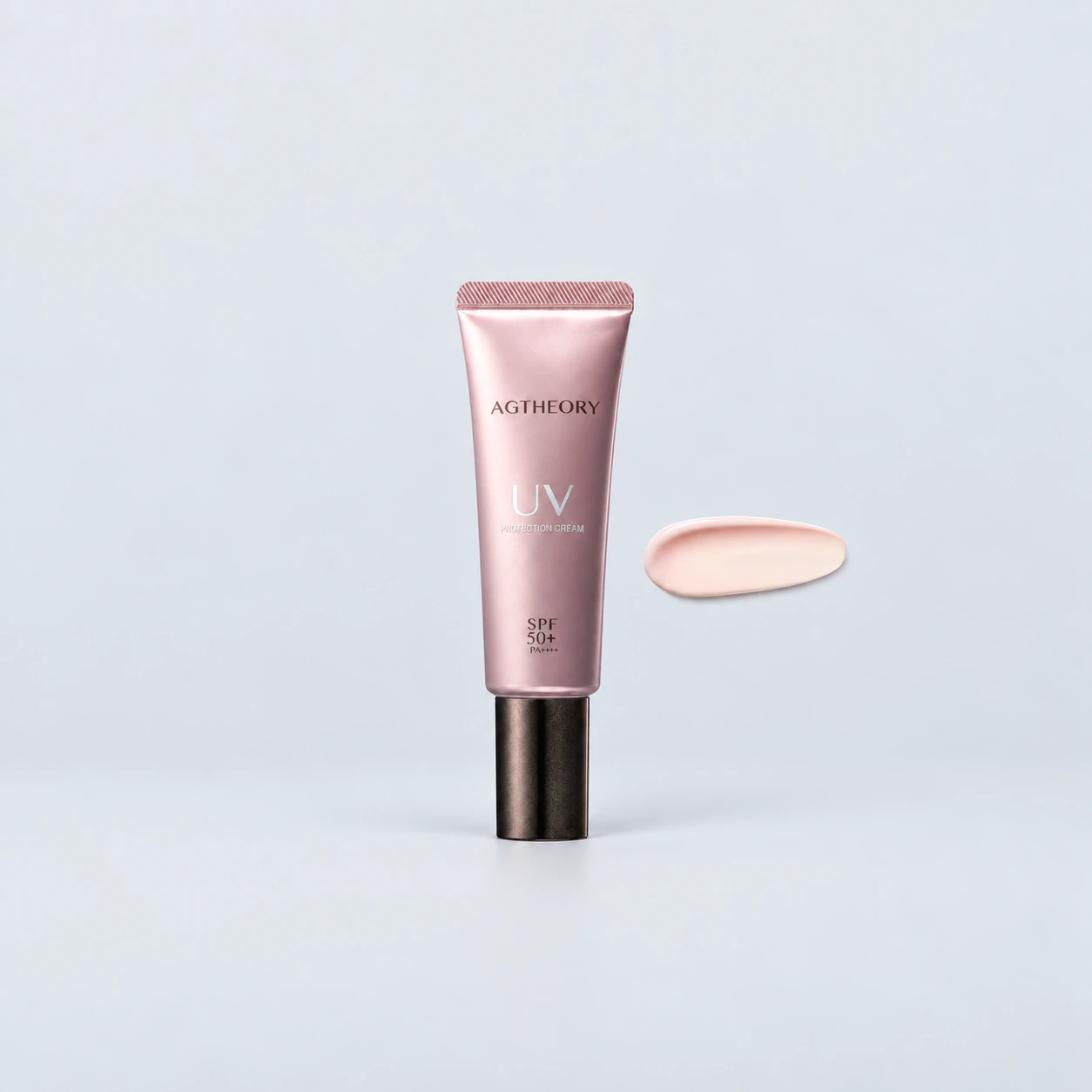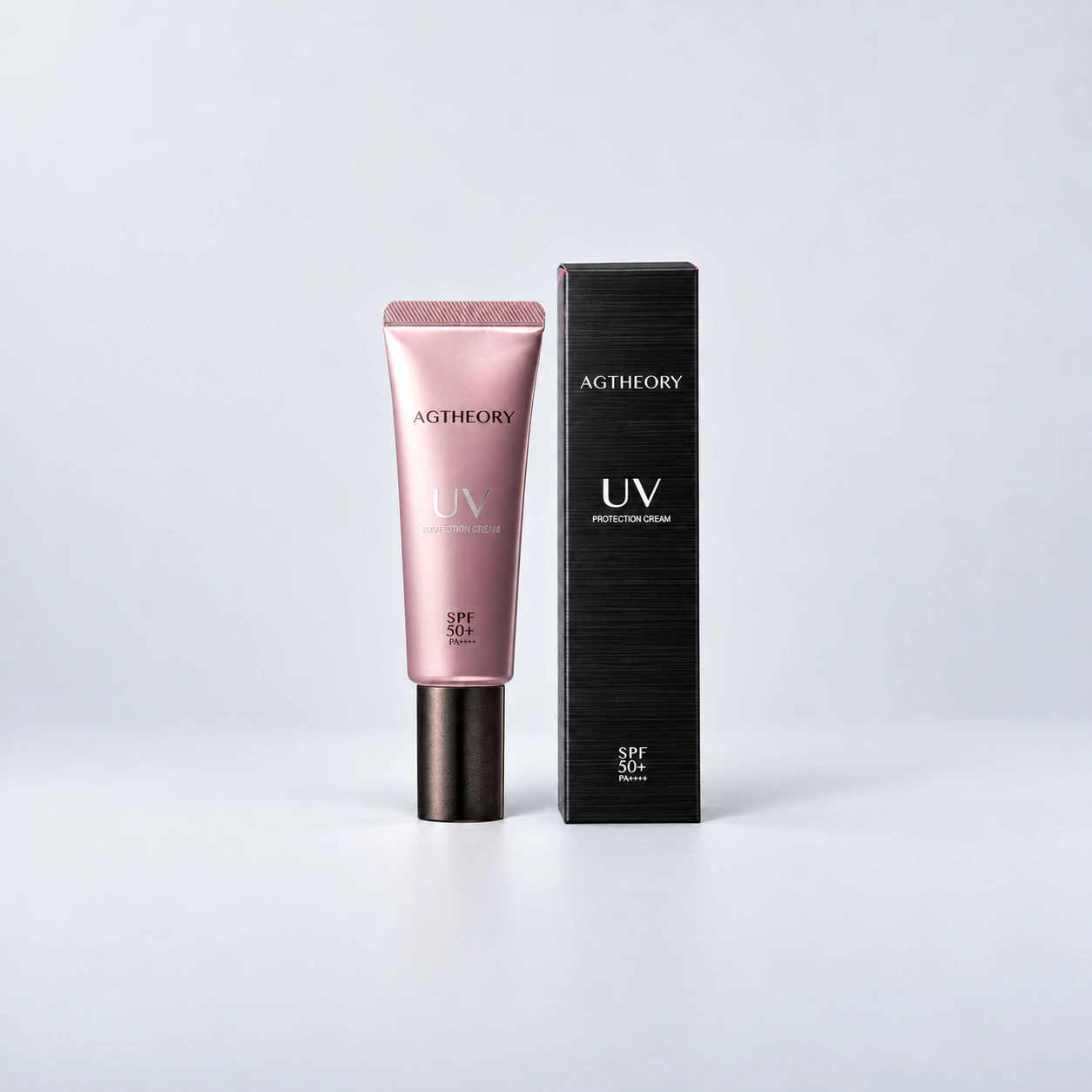
A daytime routine needs more than a pleasing finish in the mirror. It also needs a practical plan for sun exposure, including a sunscreen you can use according to its directions. AGTHEORY UV Protection Cream SPF50+ PA++++ is the forty-gram facial UV cream discussed in this guide. Its place is in daytime protection, with application and reapplication treated as part of the choice.
The product can be considered alongside the textures you enjoy in skincare, but protection should not be reduced to a beauty effect. The useful questions include how you apply it, what the day involves and whether another product is needed for a particular activity such as swimming. A high label rating is not permission to forget the rest of the plan.
The product at a glance
AGTHEORY UV Protection Cream SPF50+ PA++++ 40g. Daily facial sunscreen.
Selected ingredients: UV filters, Sodium hyaluronate, Skin-conditioning botanical extracts. See the complete list on your package.
Manufacturer method: Apply in small portions and spread evenly over the skin. Follow the instructions on the supplied packaging. Reapply regularly during outdoor exposure, and after swimming, sweating or towel drying.
Understanding the product's daytime role
The SPF50+ and PA++++ markings are the product's stated ratings. They do not mean that a small dab provides the labelled protection for an unlimited period. Follow the amount, coverage and reapplication instructions supplied with your item. If the label is unclear or differs from a description online, resolve that before relying on an improvised method.
The manufacturer positions this product as a skincare UV base. That explains why someone might consider it as part of the morning before makeup. It does not establish that it will be invisible on every skin tone or compatible with every foundation. Evaluate cosmetic finish separately from the protection instructions, and do not reduce the application simply to obtain a finish you prefer.
A facial UV cream also does not automatically replace a sunscreen chosen for swimming or extended sporting activity. Check for the relevant water-resistance information rather than assuming it follows from the SPF number. This guide does not claim a water-resistance duration for this product. Choose protection appropriate to the setting and follow that product's directions.
A morning method that can be repeated
Prepare the earlier skincare steps so that sunscreen has a clear place in the routine. If you use moisturiser, let the combination remain simple enough that you can apply the sunscreen evenly as directed. Avoid mixing it with moisturiser, oil essence or foundation in the palm. A separate sunscreen application is easier to understand and keep consistent with the label.
The manufacturer's method is to apply in small portions and distribute carefully and evenly. Use the supplied guidance for the overall amount rather than treating small portions as an instruction to use very little. A social-media close-up is not a measuring tool. The goal is an even application of the appropriate amount, not merely a visible gloss on the centre of the face.
Give attention to the areas covered by the product's directions and consider other exposed skin when planning the day. The face is not the whole of sun protection. Clothing, shade and suitable products for other exposed areas belong in the wider plan. A beautifully organised skincare shelf does not substitute for those practical decisions.
If makeup follows, keep the sunscreen layer separate and follow its label. Do not assume that SPF values from multiple cosmetics can simply be added together. If the routine pills or becomes difficult to apply, reconsider optional skincare layers and the cosmetic combination rather than using an inadequate amount of sunscreen to make the texture easier.
Reapplication is a practical design problem
It is easy to remember the first application when the tube lives beside the morning cleanser. Reapplication can be harder once you are outside, wearing makeup or moving between appointments. Think about that moment before leaving. Keep the relevant product and its instructions accessible, and plan a method you can actually follow rather than relying on a vague intention to do it later.
General dermatology guidance recommends reapplying outdoors every two hours and after swimming or sweating. Follow your product's label and the needs of the activity. A quiet indoor day and a long afternoon outside do not present the same practical situation. If a medical condition or treatment changes your sun-safety needs, seek individual advice instead of adapting a generic beauty routine by guesswork.

A reminder can help if the day is busy, but it should support the label rather than replace it. Water exposure, towel drying and other circumstances may require attention sooner than a scheduled alert. The point is not to achieve a perfect sequence of notifications. It is to make protection something you can maintain during ordinary life.
At the end of the day, remove sunscreen using an appropriate cleansing routine for the product and anything else worn. Do not add aggressive scrubbing merely because sun protection was used. Keep cleansing and moisturising comfortable, and return the sunscreen to storage as directed so that it is ready for the next day.
Choosing a finish across real skin tones
Editorial photography should show varied faces, but it cannot prove how a sunscreen looks on every person. White cast, shine and the appearance under makeup are personal observations about a finished formula in a particular application. Avoid treating a photograph of one model as a universal cosmetic guarantee.
If you are comparing products, use the full labelled application and assess the finish in ordinary light. A sunscreen you enjoy wearing may make the habit easier, but comfort does not replace correct use. The strongest choice combines a suitable product, an understandable method and a realistic plan for the day ahead.
Make the routine fit your day
For UV Protection Cream, write down the job in a single sentence: make facial sun protection a separate, correctly applied daytime step. Keep that sentence close when you compare products. Packaging, a beautiful campaign and a long ingredient list can tell you something about the brand, but they cannot decide whether this particular step belongs in your morning or evening. A formula can be well made and still be unnecessary in an already comfortable routine. Choosing deliberately also makes it easier to tell whether you want to buy the same product again.
Plan the day, not just the first application
Sun protection works best as a daily plan rather than a single attractive tube on the shelf. Think about the time you expect to spend outside, whether you will swim or sweat, and whether you can easily reapply. A commute, an outdoor lunch and a beach afternoon are different situations. The product label matters, but so does the way the plan fits into the day you are actually going to have.
Put the sunscreen where you will remember it before leaving and make space for reapplication when needed. If you wear makeup, consider in advance how you will reapply the sunscreen you have chosen according to its instructions. A high number on the front of the tube does not remove that practical question. Neither a beautiful initial finish nor a quick photograph of the morning routine tells you whether the rest of the day is covered.
Sunscreen is one part of sun protection. Shade, clothing, a suitable hat and sunglasses can make the plan more complete. These choices are useful across skin tones. The aim is not to avoid ordinary life outdoors, but to make protection a manageable part of it. For a particular health condition, medication or treatment that changes your sun-safety needs, follow the advice of the clinician who knows your circumstances.
Choose an appropriate water-resistant sunscreen for swimming or heavy sweating and follow its label. Do not infer water resistance from a cream texture or from the product's SPF. If a water-resistance claim and duration are not stated for the item you have, do not invent them. A daily cosmetic UV cream and a sunscreen chosen specifically for an active beach day may serve different practical briefs.
Read the label without turning it into a competition
SPF and UVA labelling answer particular questions about tested protection; they are not an all-day guarantee. The important purchase decision includes whether you can apply the product evenly, use the directed amount and reapply as required. Comparing two numbers while ignoring the application you actually make is not a useful way to plan a routine. The correct product is also one that suits the activity and exposure you are preparing for.
Do not mix sunscreen into foundation or moisturiser to save a step. Apply it as its own layer according to the package. Mixing changes the application and makes it difficult to know whether you have used the sunscreen as tested and directed. If you need a simpler morning, reduce an optional step elsewhere rather than improvising a new sunscreen formula in your palm.
Look beyond the face when planning exposed areas. Follow the relevant product directions and choose suitable products for areas not covered by clothing. A small facial tube should not lead you to forget the rest of the body. Keep the instructions available and pay attention to reapplication after swimming, sweating or towel drying. For children or specific medical concerns, seek age-appropriate professional guidance rather than adapting an adult beauty routine by guesswork.
Finally, check storage and expiry. A tube left in a hot car is not the same practical proposition as one stored as directed. If you cannot read the label or are unsure about the condition of an old product, resolve that before relying on it. Sun protection is an everyday habit that benefits from clear instructions, not a reason to collect several partly used tubes with uncertain histories.
AGTHEORY collection film
A comfortable routine has clear boundaries
UV Protection Cream is a cosmetic step with a particular place in a routine. It is not a diagnosis, and a description of its finish should not be confused with treatment advice. A new or persistent skin concern deserves an appropriate professional assessment. If you are already following a prescribed routine, ask the clinician who knows that routine before making changes around it. A brand story cannot account for your medical history or individual sensitivities.
Sources and product information
Product details checked against AXXZIA manufacturer information on 29 September 2026. Supplied packaging takes precedence.
Further reading: American Academy of Dermatology: applying sunscreen.
Editorial imagery is illustrative, not a customer result. The film introduces the collection.
Facial SPF for a Dubai routine
For facial SPF in Dubai, examine the full protection label and directions. Keep application, reapplication and your planned activity in view rather than relying on a number alone.
Before purchasing in the UAE, compare the exact pack and current price. Read our Dubai and UAE delivery information and explore the AXXZIA and AGTHEORY collection to see the current product details.
What should you compare before paying a premium price?
AGTHEORY UV Protection Cream combines the manufacturer-listed SPF50+ PA++++ ratings with a facial skincare and makeup-base role in a 40 g tube. Those are features to compare with your daily routine; price alone does not establish stronger protection or a better finish for every person. Read the complete ingredients and choose by the conditions of use.
For pool or heavy-sweat plans, check separate water-resistance requirements. For your usual foundation, test the whole layering sequence; a makeup-base description is not a guarantee for every makeup formula.